The Transition to Electric Shipping
Diesel ran shipping for a century. Now the economics are changing. On short, scheduled, and repeatable routes, electric is beginning to beat diesel where it matters: cost, reliability and emissions. Carbon is being priced into maritime trade. Fuel prices are volatile. Ports need cleaner operations. Cargo owners want predictable, low-emission transport.
This is where electric shipping begins.
Why Electric?
Electric vessels are simpler than diesel vessels. They have fewer moving parts, fewer failure modes, lower maintenance needs, and cleaner onboard systems. As batteries improve, charging infrastructure expands, and carbon is priced into maritime transport, the economics continue to move in favor of electric propulsion.
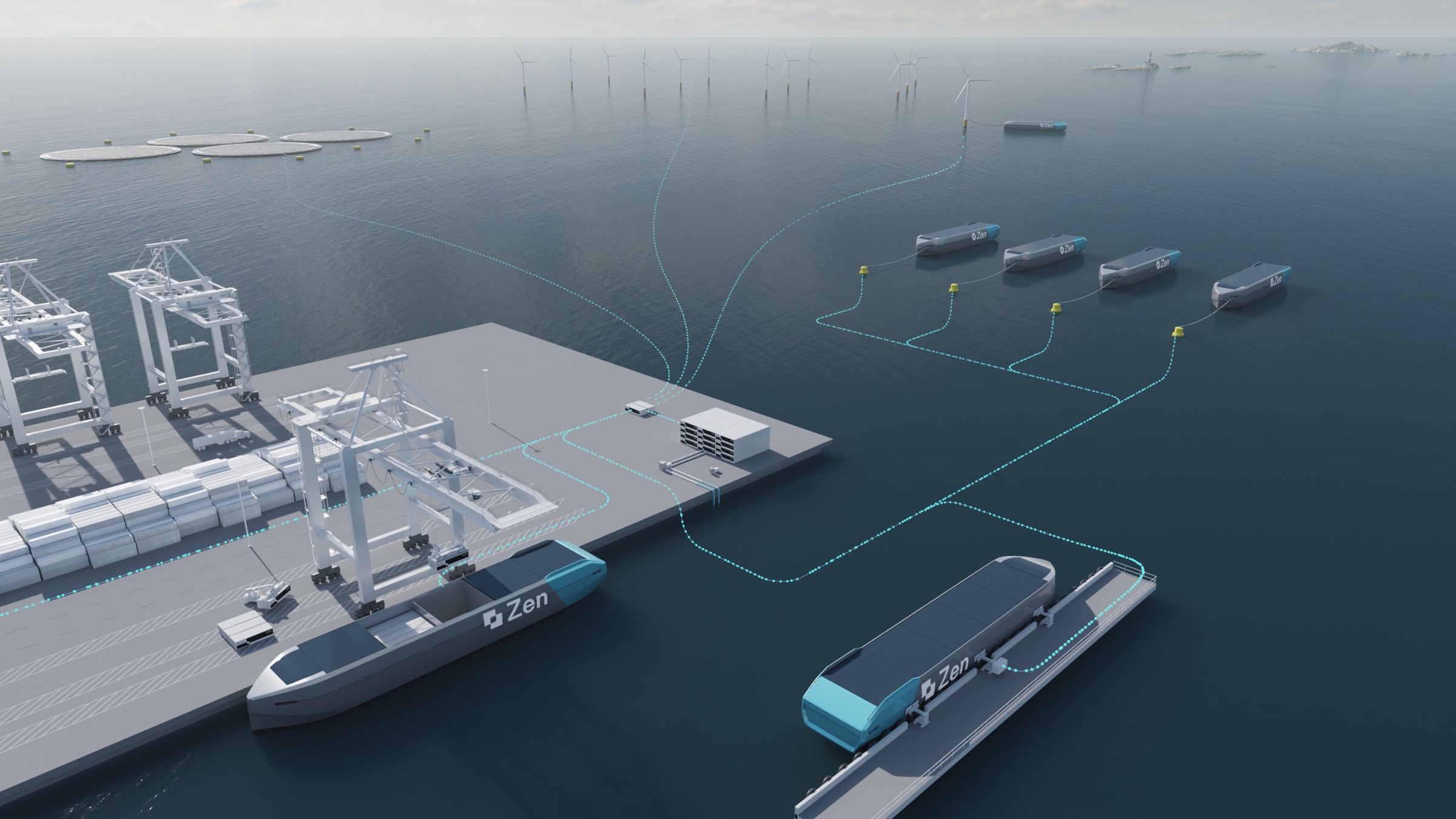
But competitive electric shipping requires more than replacing an engine. The battery, vessel, charging interface, control systems, and daily operation have to be designed together. Range, speed, route planning, charging time, port calls, safety, and reliability are all connected.
That is where Zen is focused.
What We Build
We build marine battery systems and electric vessel technology for real commercial routes. Our systems are built to be safe, certifiable, scalable, and ready for the next generation of maritime operations.
Electric vessels are more digital, more observable, and easier to control. That makes them a natural platform for remote and autonomous operation. Over time, autonomy can reduce operating complexity, improve safety, optimize routing, and allow vessels to run more efficiently.
The Impact
Together, electric propulsion and autonomy change the cost structure of short-sea trade.
- Lower maintenance
- Lower energy use
- Cleaner operations
- Better predictability
- More efficient routes
- A path to simpler, more standardized vessels
The transition will not happen everywhere at once. It begins where the economics are strongest, then scales to more routes, more vessels, and longer corridors.
Zen exists to accelerate that transition: building the batteries, vessel systems, and autonomous capabilities that make electric maritime trade commercially competitive.
Cleaner than diesel.
Simpler to maintain.
Ready for autonomy.
Built to scale.
Trade at sea, rebuilt.
